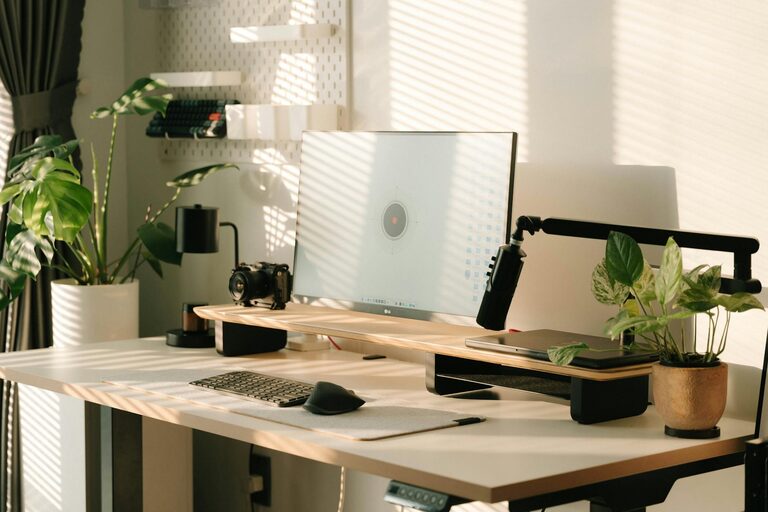
Creating a home workspace that feels both relaxing and productive can greatly improve your work-from-home experience. Whether you spend a few hours a day or most of your day working remotely, the right environment can boost your focus, creativity, and mental well-being. In this post, we’ll explore effective tips to help you design a calm and inspiring workspace at home.
Why a Relaxing Workspace Matters
Your workspace influences your mood, motivation, and efficiency. A cluttered or uncomfortable area can cause stress and distraction. Conversely, a well-organized and soothing setup can help reduce anxiety, keep you focused, and create a sense of balance between work and personal life.
Choose the Right Location
Find a Quiet Spot
Start by selecting a place in your home with minimal noise and foot traffic. A quiet corner or a spare room is ideal for concentrating without interruptions.
Use Natural Light When Possible
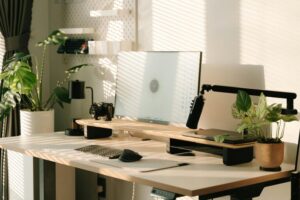
Position your desk near a window to take advantage of natural daylight. Sunlight helps regulate your internal clock and can improve your mood and energy levels throughout the day.
Optimize Your Desk Setup
Invest in Comfortable Furniture
Choose an ergonomic chair and a desk at the correct height to prevent strain. Comfort supports longer periods of focused work without physical discomfort.
Declutter and Organize
Keep only essential tools and materials on your desk. Use organizers, trays, or drawers to store items you don’t need immediately. A tidy workspace minimizes distractions and helps your mind stay clear.
Personalize Thoughtfully
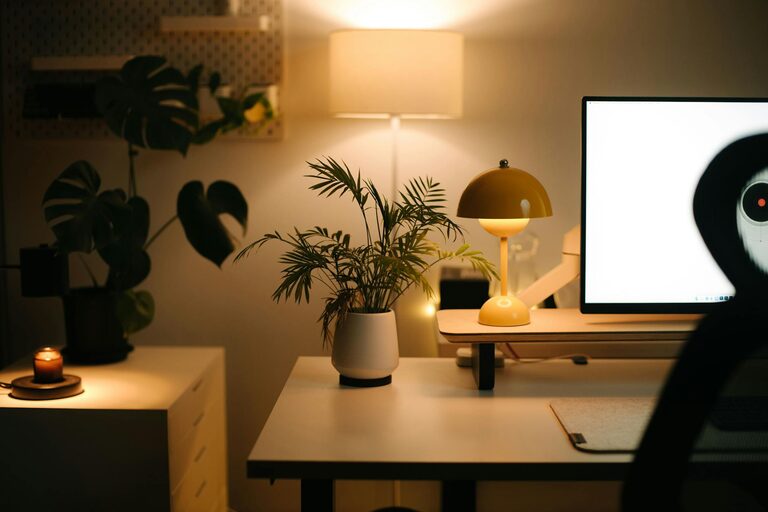
Add a few personal touches like a small plant, artwork, or inspiring quotes. These can make the space inviting without overwhelming it.
Use Calming Colors and Decor
Colors influence emotions. Soft, neutral tones like blues, greens, or earth colors tend to promote calmness and concentration. Avoid overly bright or harsh colors that may cause visual fatigue.
Decorate with simple, natural materials such as wood and stone to create a grounding effect.
Manage Lighting and Noise
Adjustable Lighting
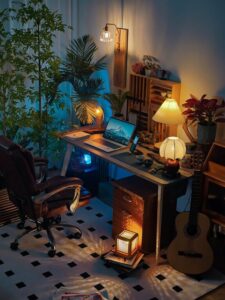
Use adjustable lighting to avoid glare and eye strain. A desk lamp with warm, soft light is great for focused tasks, especially in the evening.
Background Sounds
If complete silence feels uncomfortable, consider gentle background sounds like white noise, nature sounds, or soft instrumental music. This can mask distracting noises and help maintain focus.
Incorporate Break Areas
If space allows, set up a small spot nearby to take breaks—such as a comfortable chair or cushion. Having a designated area to step away from your desk encourages movement and mental rest, which are important for sustained productivity.
Include Greenery for Freshness and Relaxation
Plants not only improve air quality but can reduce stress and increase happiness. Choose low-maintenance indoor plants like succulents or snake plants that thrive in indoor conditions.
Establish Clear Boundaries
To maintain work-life balance at home, create clear routines and physical boundaries. When you step away from your workspace at the end of the day, your mind will recognize it’s time to relax.
Consider using room dividers or curtains if your workspace is part of a shared room.
Maintain and Refresh Regularly
A relaxing and productive workspace needs regular upkeep. Clean your desk daily, remove unnecessary clutter, and occasionally rearrange or refresh decor to keep your environment inspiring.
Final Thoughts
Creating a relaxing home workspace is about more than just aesthetics—it’s about consciously designing a space that supports your focus, comfort, and overall happiness. With a few thoughtful adjustments, you can transform your work-from-home area into a place where productivity and well-being go hand in hand.
Start with small changes, such as adding plants or improving lighting, then gradually build the perfect sanctuary for your work. Your mind and body will thank you!