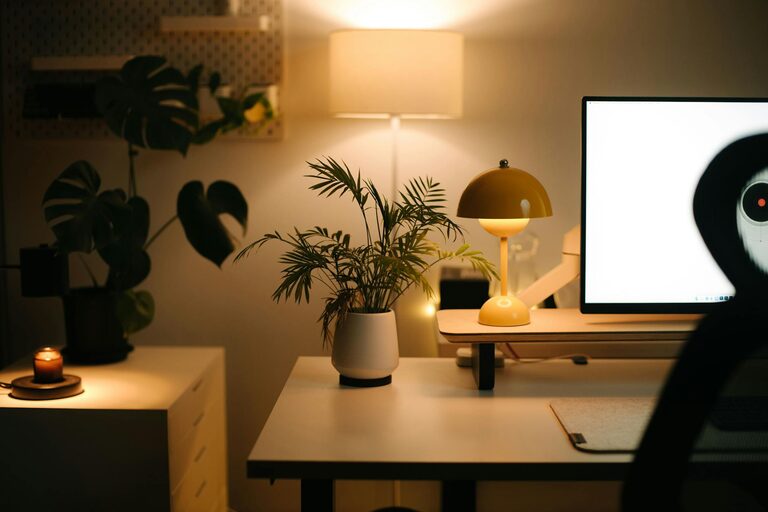
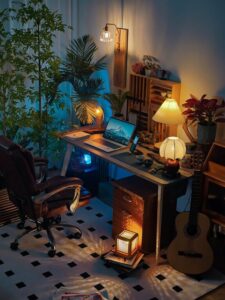
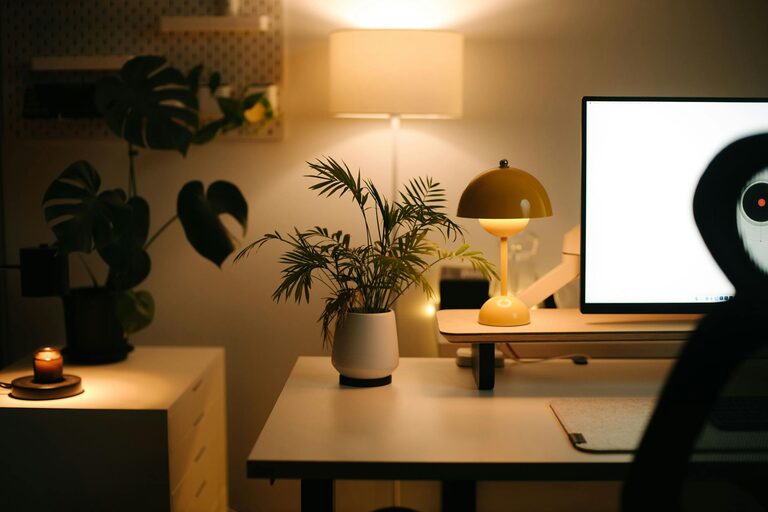
Creating a home workspace that is both relaxing and productive is essential for anyone working remotely or spending significant time on tasks at home. A well-designed workspace not only improves comfort but also helps reduce stress and boost efficiency. Whether you have a dedicated room or a small corner, these tips will guide you in setting up an ideal workspace that helps you focus and feel good throughout your workday.
Why a Relaxing Workspace Matters
Your environment significantly impacts your mindset and approach to work. A cluttered, uncomfortable, or distracting area can make it harder to concentrate and may increase stress. On the other hand, a calm and inviting setup encourages better focus, creativity, and motivation, resulting in higher productivity and job satisfaction.
Choose the Right Location
Consider Natural Light
Position your desk near a window if possible. Natural light increases alertness and improves mood, reducing feelings of fatigue. However, avoid glare on computer screens by using curtains or blinds that let light in without causing reflections.
Minimize Noise and Distractions
Select a spot with the least amount of noise and foot traffic. If this isn’t an option, consider noise-canceling headphones or white noise machines to help drown out interruptions.
Invest in Ergonomic Furniture
Comfortable Chair
A supportive chair is crucial for long hours of work. Look for adjustable chairs with lumbar support and breathable materials to maintain good posture and avoid back pain.
Functional Desk
Choose a desk at the right height where you can comfortably type and write. Standing desks or adjustable desks can also offer the flexibility to change your working position during the day.
Organize Your Space Wisely
Declutter Regularly
Keep only essential items on your desk to avoid visual distractions. Use drawers or storage boxes to tuck away paperwork, supplies, and personal items.
Use Organizational Tools
Incorporate shelves, filing cabinets, and desk organizers to keep everything neat and within reach. Label storage containers to make it easier to find what you need quickly.
Create a Calming Atmosphere
Choose Soothing Colors
Colors can affect your mood and productivity. Soft blues, greens, or neutral tones create a peaceful ambiance that can help reduce stress and maintain focus.
Add Plants
Indoor plants improve air quality and add a touch of nature, which has been shown to enhance concentration and lower anxiety.
Personal Touches
Incorporate personal but non-distracting elements such as photos, artwork, or inspirational quotes to make the space feel welcoming and motivating.
Manage Technology Efficiently
Cable Management
Keep wires and cables out of the way using clips, sleeves, or under-desk trays. This reduces clutter and prevents accidental disconnections.
Screen Positioning
Place your monitor at eye level and at least an arm’s length away to reduce eye strain and neck discomfort.
Maintain Proper Lighting
Balanced Lighting
In addition to natural light, use adjustable desk lamps or overhead lighting to ensure your workspace is well-lit without harsh glare or shadows.
Warm vs. Cool Light
Consider warm light bulbs for relaxing ambiance or cooler white light for alertness, depending on the time of day and your tasks.
Establish Healthy Habits
Take Regular Breaks
Incorporate short breaks every hour to stand, stretch, and rest your eyes. This helps maintain energy and focus throughout the day.
Keep Hydrated and Nourished
Keep a water bottle nearby and enjoy healthy snacks to keep your body and mind fueled.
Final Thoughts
Creating a relaxing home workspace is an investment in your well-being and work performance. By focusing on comfort, organization, and atmosphere, you can foster a space that supports both relaxation and productivity. Take time to personalize and optimize your area, and you’ll likely find work becomes not only easier but also more enjoyable.
—
With these tips, your home workspace can become a sanctuary where you feel comfortable and inspired to accomplish your best work every day.