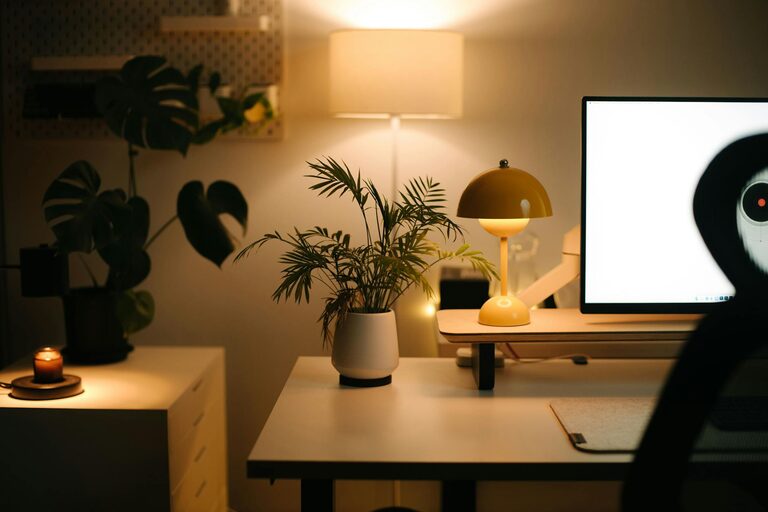


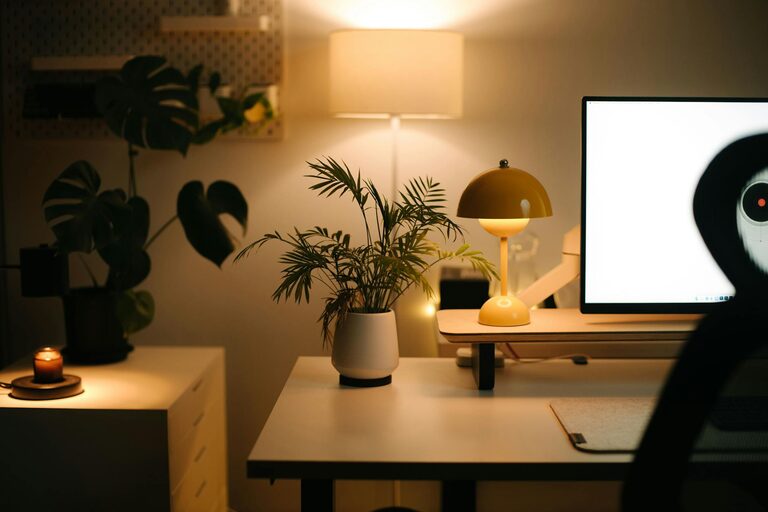
Creating a relaxing home workspace can make a significant difference in how productive and comfortable you feel while working. Whether you have a dedicated room or a small corner in your living space, designing your work area thoughtfully can help reduce stress, improve focus, and promote overall well-being.
In this post, we will walk through practical tips on setting up a calming and efficient workspace at home that supports your daily tasks and nurtures comfort.
Benefits of a Relaxing Home Workspace
Before diving into the design tips, it’s important to understand why a relaxing workspace matters:
– Enhances Focus: A clutter-free, soothing environment helps reduce distractions.
– Boosts Productivity: Comfort and organization contribute to better work flow.
– Promotes Well-being: A pleasant space can lower stress and fatigue.
– Encourages Routine: A dedicated, inviting area helps separate work from personal life.
Now, let’s explore how you can create such a space.
Choosing the Right Location
Your workspace location sets the foundation for comfort and focus.
Consider Natural Light
Placing your desk near a window provides natural light, which improves mood and energy levels. Ensure the light doesn’t cause screen glare by positioning your monitor perpendicular to the window.
Minimize Noise Distractions
Select a quiet part of your home where interruptions are limited. Consider using noise-cancelling headphones or a white noise machine if external sounds interfere with your concentration.
Utilize Available Space Wisely
Even small areas can become productive work zones with vertical storage, wall-mounted shelves, or multi-purpose furniture.
Ergonomic Furniture and Arrangement
Comfort during long work hours is essential to maintain productivity.
Invest in a Comfortable Chair
Choose a chair with adjustable height, lumbar support, and comfortable cushioning. This helps maintain good posture and prevents back pain.
Use a Suitable Desk
Ensure your desk height matches your chair, allowing your arms to rest comfortably while typing. If possible, consider sit-stand desks to alternate between sitting and standing.
Position Your Screen Correctly
Your computer monitor should be at eye level, about an arm’s length away, to avoid neck strain and eye fatigue.
Organize and Declutter
A tidy workspace promotes a calm mind and easier workflow.
Keep Essentials Within Reach
Organize supplies like pens, notebooks, and chargers nearby but not overcrowded to maintain order.
Use Storage Solutions
Boxes, drawers, or baskets can hide clutter. Labeling containers helps you find items quickly.
Regularly Clear Your Desk
Set aside a few minutes at the end of each day to put things back in order.
Personalize Your Space Thoughtfully
Adding personal touches can make your workspace more inviting and inspiring without overwhelming it.
Choose Calming Colors
Soft blues, greens, or neutral tones create a sense of tranquility. Avoid overly bright or distracting patterns.
Add Plants
Indoor plants improve air quality and bring a natural element to your area, promoting relaxation.
Display Inspirational Items
Keep meaningful photos, artwork, or quotes that motivate you, but keep them minimal to avoid clutter.
Optimize Lighting
Proper lighting reduces eye strain and boosts alertness.
Combine Ambient and Task Lighting
Use a general overhead light for overall illumination and a focused desk lamp for detailed work.
Use Adjustable Lamps
Flexible lamps allow you to direct light where you need it most.
Incorporate Break and Movement Areas
Even in small spaces, create moments to rest and recharge.
Create a Relaxation Spot
Add a comfortable chair or cushion nearby where you can take short breaks.
Encourage Movement
Stand up regularly, stretch, or do quick exercises to maintain energy.
Manage Technology Smartly
Technology is key in modern workspaces, but it should not add to stress.
Minimize Wire Clutter
Use cable organizers to keep cords neat and out of the way.
Set Up Efficient Devices
Ensure your computer and other equipment are updated and functioning to prevent frustration.
Use Productivity Tools
Applications and timers can help you manage tasks and stay focused.
Maintain Healthy Habits
Your workspace supports your lifestyle, but your habits complete the picture.
Stick to a Routine
Start and finish work at consistent times to separate work life from personal time.
Hydrate and Snack Mindfully
Keep water handy and choose healthy snacks to maintain energy.
Take Regular Breaks
Follow techniques like the Pomodoro method to balance focused work and rest.
Final Thoughts
A relaxing home workspace is a blend of environment, comfort, and habits. By thoughtfully selecting your location, organizing efficiently, personalizing gently, and maintaining good work practices, you can boost your productivity and comfort significantly.
Start small with a few adjustments and watch your home office transform into a pleasant, productive place where work feels less like a chore and more like an enjoyable part of your day.